
Effective Tips for DIY Drain Cleaning in Milford, NH & Surrounding Areas
Keeping your drains clean is essential for a healthy and functional home in Milford, New Hampshire, and nearby towns like Amherst, Brookline, Wilton, Mason, and Hollis. DIY drain cleaning helps prevent clogs, slow drainage, and unpleasant odors, while saving homeowners money on professional services. Following proper techniques and safety precautions ensures that your plumbing system remains damage-free and effective across Hillsborough County.
Why Is DIY Drain Cleaning Important for Milford Homes?
Regular DIY drain maintenance prevents minor blockages from turning into major plumbing issues. Residents in Milford, Amherst, and Brookline can avoid costly repairs and maintain smooth water flow by following simple, effective cleaning methods.
What Tools and Materials Are Needed for DIY Drain Cleaning?
Homeowners in Wilton, Mason, and Hollis should have items like a plunger, drain snake, baking soda, vinegar, and a bucket. Using the right tools ensures safety and effectiveness while cleaning sinks, tubs, or shower drains.
How Can Chemical Drain Cleaners Be Used Safely?
Chemical cleaners can damage pipes if used incorrectly. Residents in Milford and surrounding towns should follow manufacturer instructions, wear protective gloves, and avoid excessive use to prevent corrosion or injury.
What Are the Steps for Cleaning a Clogged Drain at Home?
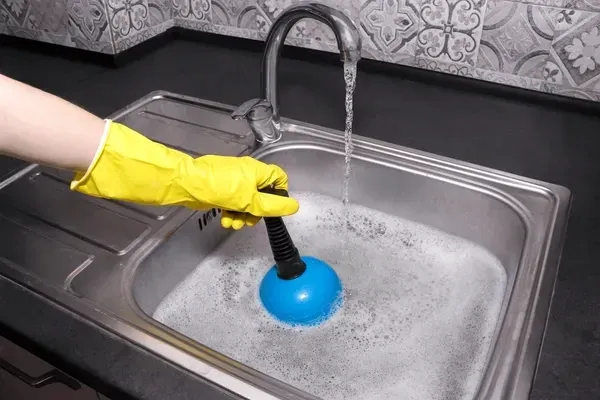
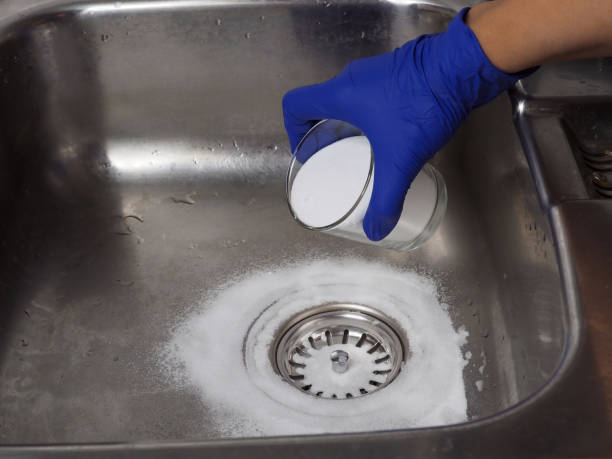
Step-by-step methods include removing debris, using a plunger or drain snake, flushing with hot water, and applying a baking soda-vinegar solution. Homeowners in Amherst, Brookline, and Wilton can follow these steps for effective DIY cleaning.
How Often Should Drains Be Maintained?
Regular maintenance every 1–3 months helps prevent clogs and foul odors. Residents in Milford, Mason, and Hollis benefit from routine upkeep of kitchen sinks, bathroom drains, and laundry lines.
Are There Safety Precautions for DIY Drain Cleaning?
Yes. Homeowners in Milford and surrounding areas should wear gloves, eye protection, and ensure proper ventilation when using chemical cleaners. Avoid mixing different chemicals, and keep children and pets away from treated drains.
When Should You Call a Professional Plumber?
If clogs persist, drains back up frequently, or chemical cleaners fail, it’s time to contact a professional. Residents in Amherst, Brookline, and Wilton should seek expert help to prevent pipe damage and ensure proper drainage.
Can Natural Solutions Effectively Clear Drains?
Yes. Homeowners in Milford, Amherst, and Brookline can use baking soda, vinegar, and hot water as eco-friendly alternatives to chemical cleaners for minor clogs and odor control.
How Can You Prevent Future Drain Clogs?
Simple habits like avoiding grease disposal, using drain strainers, and regular flushing with hot water help residents in Wilton, Mason, and Hollis prevent buildup and maintain smooth drainage.
Are DIY Drain Cleaning Methods Safe for All Pipe Types?
Most DIY methods are safe for standard PVC and metal pipes, but older or fragile plumbing in Milford and surrounding areas may require caution. Residents should avoid harsh chemicals or excessive force on delicate pipes.
Final Thoughts:
DIY drain cleaning in Milford, NH, and nearby towns like Amherst, Brookline, Wilton, Mason, and Hollis can save money and prevent plumbing headaches. By using the right tools, following safe methods, and maintaining a regular cleaning schedule, homeowners can keep their plumbing systems running efficiently and safely.
What are the best DIY methods to clear clogged drains in Milford, NH?
Effective DIY methods include using a plunger, drain snake, baking soda and vinegar solution, and flushing with hot water for minor blockages.
How often should I clean my drains at home?
Homeowners in Milford, Amherst, and Brookline should perform drain cleaning and maintenance every 1–3 months to prevent clogs and odors.
Are chemical drain cleaners safe to use?
Chemical cleaners can be used cautiously, but residents in Wilton, Mason, and Hollis should follow instructions, wear gloves and eye protection, and avoid overuse to prevent pipe damage.
How can I prevent future drain clogs?
Simple prevention includes avoiding grease disposal, using drain strainers, and regularly flushing drains with hot water, which is recommended for homes in Milford and nearby towns.
When should I call a professional plumber?
If clogs persist, drains frequently back up, or chemical and DIY methods fail, homeowners in Amherst, Brookline, and Wilton should contact a licensed plumber to prevent damage and ensure proper drainage.